The journey of cakes and desserts spans millennia, evolving from simple honeyed breads in ancient civilizations to the intricate, multi-layered masterpieces we cherish today. From the fertile crescent of ancient Egypt, where the first sweetened bread-like cakes were offered to deities, to the bustling street markets of Asia and the elegant patisseries of Europe, cakes have consistently held a special place in human culture, symbolizing celebration, comfort, and culinary artistry. This evolution highlights not just a change in ingredients or techniques, but a profound reflection of diverse cultures, available resources, and culinary innovations across continents. Understanding this historical context enriches our appreciation for every slice, connecting us to a global tapestry of baking traditions that continue to inspire and delight. Today, the world of baking is more interconnected than ever, allowing enthusiasts to explore an endless array of global flavors and techniques from the comfort of their own kitchens.
A Culinary Passport: Exploring Global Cake Flavors
Embarking on a culinary passport journey reveals the incredible diversity of global cake flavors, each telling a story of its origin, traditions, and the unique ingredients that define its character. These aren’t just desserts; they are edible landmarks, offering a taste of history and culture. The meticulous preparation, from sourcing specific flours to mastering regional techniques, contributes to the distinctive texture and taste profiles that make each cake a beloved classic in its homeland and a fascinating discovery for international palates. Exploring these global cakes means understanding the subtle nuances that elevate them beyond mere sugar and flour, delving into the heart of what makes them truly iconic.
Iconic Sweet Delights from Around the World
Certain cakes have transcended their geographical boundaries to become globally recognized symbols of culinary excellence. Their enduring popularity is a testament to their unique appeal, often rooted in centuries of tradition and perfected through generations of bakers. These are not merely recipes but cultural touchstones, frequently associated with specific holidays, family gatherings, or significant life events, embodying the spirit of their respective nations.
- Tres Leches Cake (Latin America): A true Latin American marvel, the Tres Leches Cake is renowned for its incredibly moist and rich texture. This sponge cake is meticulously soaked in a blend of three different milks—evaporated milk, condensed milk, and heavy cream—resulting in a decadently sweet and creamy dessert. The process involves baking a light, airy sponge, then allowing it to cool before carefully perforating its surface to ensure maximum absorption of the milk mixture. This saturation is key to its signature texture, making it a staple at celebrations across Mexico, Central America, and South America. Variations often include a meringue or whipped cream topping, sometimes adorned with fresh fruit or a dusting of cinnamon, adding layers of flavor and visual appeal.
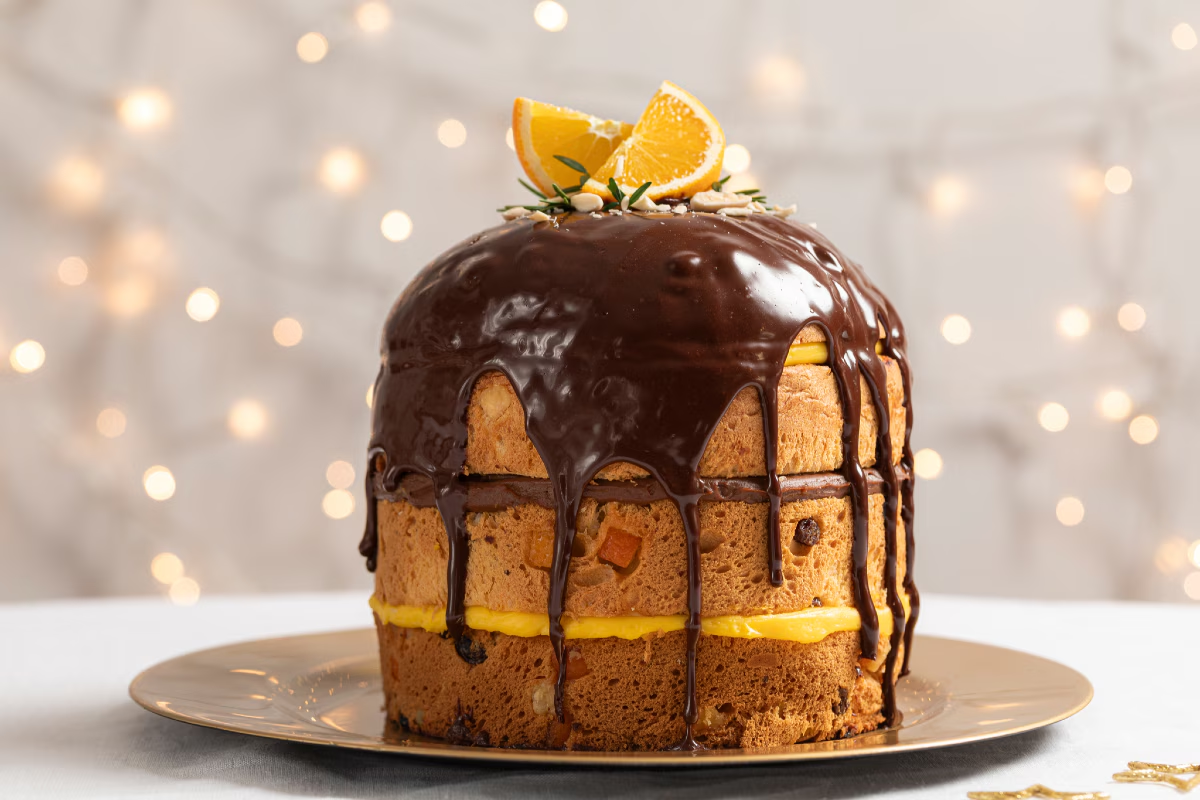
- Panettone (Italy): Originating from Milan, Italy, Panettone is a sweet bread loaf typically prepared and enjoyed for Christmas and New Year. Its distinctive dome shape and light, airy texture are achieved through a lengthy proofing process that can take days, involving a mother dough similar to sourdough. Traditional Panettone is studded with candied orange peel, citron, and raisins, which contribute to its complex flavor profile. Modern variations include chocolate chips, various nuts, or different dried fruits. The delicate balance of sweetness and the subtle tang from the natural yeast make it a sophisticated holiday treat, often enjoyed with a glass of sweet wine or coffee.
- Sachertorte (Austria): The quintessential Viennese chocolate cake, the Sachertorte, boasts a rich history dating back to 1832. This dense chocolate cake features a thin layer of apricot jam, creating a harmonious contrast between the deep chocolate and the fruity tartness, all enrobed in a glossy dark chocolate icing. Traditionally served with a dollop of unsweetened whipped cream, the Sachertorte is a masterpiece of Austrian patisserie, embodying elegance and indulgence. Its exact recipe remains a closely guarded secret of the Hotel Sacher in Vienna, adding to its mystique and allure.
- Carrot Cake (UK/US): While its precise origins are debated, with roots potentially in medieval European puddings, the modern Carrot Cake gained significant popularity in the UK and US. This moist, spiced cake incorporates grated carrots, which add natural sweetness and a tender crumb. Often enriched with nuts (like walnuts or pecans), raisins, or pineapple, its flavor profile is complex and comforting, enhanced by spices such as cinnamon, nutmeg, and ginger. The cake is almost invariably topped with a rich, tangy cream cheese frosting, providing a perfect counterpoint to the sweetness of the cake and spices.
The Allure of Global Street Cakes
Street food culture offers a vibrant window into a nation’s culinary heart, and street cakes are no exception. These accessible, often portable delights provide quick bursts of flavor and energy, embodying local tastes and traditions. They are typically made with simple, readily available ingredients, yet crafted with techniques passed down through generations, making them incredibly popular among locals and tourists alike. Their presence in bustling markets and alongside busy thoroughfares adds to their charm and authenticity.
- Mochi (Japan): A traditional Japanese rice cake made from glutinous rice pounded into a paste and molded into various shapes, Mochi offers a unique chewy and elastic texture. While often plain, it is frequently filled with sweet red bean paste (anko), fruit, or ice cream, creating a delightful contrast of textures and flavors. Mochi holds significant cultural importance, especially during New Year celebrations, symbolizing good fortune. The process of making mochi, known as mochitsuki, is a communal activity, emphasizing its role in Japanese social fabric. Its versatility allows for a wide range of sweet and savory applications.
- Churros (Spain/Latin America): These beloved fried-dough pastries are a staple of Spanish and Latin American street food. Churros are typically extruded through a star-tipped pastry bag, giving them their characteristic ridged shape, then deep-fried until golden and crispy. They are often dusted with cinnamon sugar and served hot, perfect for dipping into thick hot chocolate, dulce de leche, or a variety of fruit sauces. Churros are a popular breakfast item or a late-night snack, enjoyed for their satisfying crunch and comforting sweetness, representing a simple yet profound culinary pleasure.
- Kueh Lapis (Indonesia/Malaysia): The visually stunning Kueh Lapis, or “thousand layer cake,” is a rich, spiced layer cake popular in Indonesia and Malaysia. Its intricate preparation involves baking thin layers of batter one by one under a grill, a process that demands patience and precision. The resulting cake is dense, moist, and aromatic, often flavored with spices like cardamom, clove, and cinnamon, and enriched with butter and egg yolks. Each slice reveals a beautiful striped pattern, making it a centerpiece for special occasions and a testament to meticulous baking craftsmanship.
- Gulab Jamun (India): A popular sweet dessert in India, Gulab Jamun consists of milk-solids-based dumplings, traditionally made from khoya (reduced milk), deep-fried until golden brown, and then soaked in a light, fragrant sugar syrup. The syrup is typically flavored with rose water, cardamom, and saffron, imparting a distinct aromatic sweetness to the soft, spongy balls. These small, intensely sweet treats are a ubiquitous sight at festivals, weddings, and celebrations across the Indian subcontinent, cherished for their melt-in-your-mouth texture and rich flavor.

Beyond Sweet: The Unexpected World of Savory and Floral Cakes
While cakes are predominantly associated with sweetness, the culinary world is rich with creations that challenge this perception. The exploration of savory and floral cakes opens up new dimensions of flavor and application, demonstrating the incredible versatility of baking. These innovative approaches to cake-making offer exciting alternatives for various occasions, proving that the concept of “cake” can extend far beyond traditional desserts. Embracing these unique categories allows for creative expression and a delightful surprise for the palate, expanding the boundaries of what a cake can be.
Savory Cakes: When Dinner Meets Dessert
The concept of a savory cake might seem unconventional, but it taps into ancient culinary practices where sweet and savory often intertwined. These cakes are designed to be served as appetizers, side dishes, or even light main courses, offering a sophisticated and often healthier alternative to their sugary counterparts. They leverage ingredients typically found in main dishes, transforming them into a cake format that is both familiar and surprising.
- Examples and Applications: Savory cakes encompass a wide spectrum of creations. Common examples include vegetable cakes, which often feature grated zucchini, carrots, spinach, or corn, bound with eggs and flour, sometimes resembling a frittata or quiche in texture. Another popular variant is savory cheese cakes, which, unlike their sweet counterparts, use sharp cheeses, herbs, and sometimes even bacon or smoked salmon, baked into a rich, creamy consistency perfect for brunch or as an accompaniment to a meal. Even elaborate “meatloaf cakes” exist, artfully shaped and frosted with mashed potatoes or other vegetable purees, mimicking a traditional dessert cake’s appearance but delivering a hearty, savory experience. These cakes are excellent for potlucks, picnics, or as unique dinner party starters.
- Flavor Profiles and Balancing Ingredients: Crafting a successful savory cake requires careful attention to balancing flavors. Key considerations include the salt content, the pungency of cheeses or herbs, and the moisture from vegetables. Herbs such as rosemary, thyme, oregano, and chives are frequently used to add aromatic depth. Spices like black pepper, paprika, and chili flakes can introduce warmth and a subtle kick. The choice of fat, such as olive oil or butter, also plays a crucial role in the cake’s richness and texture. The goal is to create a cohesive flavor profile where no single ingredient overpowers another, resulting in a harmonious and satisfying bite.
The Subtle Elegance of Floral-Flavored Cakes
Incorporating edible flowers and floral extracts into baking is an age-old tradition that brings a delicate sophistication and aromatic complexity to cakes. These floral notes offer a refreshing departure from conventional fruit or chocolate flavors, introducing subtle perfumes and elegant essences that can transform a simple cake into an extraordinary sensory experience. The art lies in understanding the delicate balance required, as floral flavors can easily become overwhelming if not used judiciously. When perfectly executed, they evoke a sense of refined indulgence and natural beauty.
- Lavender Cakes: Lavender, with its distinctive aromatic and slightly herbaceous notes, imparts a serene elegance to cakes. It pairs beautifully with citrus (lemon or orange) and honey, creating a harmonious flavor profile that is both soothing and sophisticated. When baking with lavender, it is crucial to use culinary-grade dried lavender buds sparingly, as their flavor can be quite potent. Infusing milk or cream with lavender before adding it to the batter or frosting is a common technique to extract its essence without overwhelming the palate.
- Rose Cakes: The delicate and romantic aroma of rose makes it a popular choice for elegant desserts. Rosewater or rose extract is typically used to infuse cakes, frostings, and glazes, imparting a subtle, perfumed sweetness. Rose cakes often feature complementary flavors like pistachios, almonds, or raspberries, which enhance its floral character without competing with it. Visually, fresh edible rose petals can be used as a stunning garnish, adding to the cake’s ethereal beauty and making it perfect for weddings or special celebrations.
- Orange Blossom Cakes: Widely used in Middle Eastern and Mediterranean patisserie, orange blossom water adds a bright, citrusy-floral note that is both refreshing and exotic. It pairs exceptionally well with almond, pistachio, and honey. Orange blossom cakes often have a light, airy texture and are frequently drizzled with a simple syrup infused with the same essence. The flavor is less overtly floral than rose or lavender, offering a more nuanced and uplifting aromatic experience that complements a wide range of sweet ingredients.
- Techniques for Infusion: To achieve optimal floral flavor without bitterness, proper infusion techniques are vital.
- Direct Infusion: For dried flowers like lavender or rose, steeping them in warm milk, cream, or water for a short period, then straining, is effective.
- Extracts and Waters: High-quality floral extracts or distilled waters (like rosewater, orange blossom water) can be added directly to batters, frostings, or syrups. Start with small amounts and taste as you go, as their potency varies.
- Zests and Syrups: For citrus-floral combinations, zesting fruits like oranges or lemons into a floral syrup can create a complex, layered flavor.

The Magical World of Macarons and French Patisserie
Stepping into the realm of French patisserie is to enter a world of exquisite artistry and delicate flavors, with the macaron standing as one of its most iconic ambassadors. These small, elegant confections are celebrated globally for their unique texture, vibrant colors, and endless flavor possibilities. Mastering the macaron is often considered a rite of passage for aspiring bakers, a testament to its demanding yet incredibly rewarding nature. Beyond their visual appeal, macarons offer a sensory experience that combines a satisfying crunch with a tender, chewy interior, making them truly magical.
Understanding the Allure of Macarons
The allure of the macaron lies in its perfectly balanced textural contrasts and its almost infinite capacity for flavor innovation. It’s a dessert that captivates both the eye and the palate, demanding precision and patience from its creator.
- Crispy Outside, Soft Inside: The Perfect Texture: The hallmark of a well-made macaron is its distinct texture. The outer shell, or “coque,” should be delicate and crisp, yielding to a soft, slightly chewy interior. This intricate balance is achieved through careful control of ingredients, mixing techniques, and baking temperature. The “foot” or “pied” — the ruffled edge at the base of the shell — is a key indicator of proper technique, signaling that the macaron has risen correctly and developed its characteristic structure. Achieving this perfect texture is the ultimate goal for any macaron baker.
- History and French Heritage: While similar almond-based cookies have ancient origins, the macaron as we know it today, with its characteristic sandwich form and ganache filling, is largely attributed to French patisseries of the early 20th century, particularly Ladurée in Paris. Historically, single-shell macarons were popular in Italy during the Renaissance, brought to France by Catherine de’ Medici. Over centuries, French bakers refined the recipe, leading to the evolution of the modern macaron. Its association with luxury and haute couture has cemented its status as a sophisticated French delight.
- Key Ingredients and Techniques (French vs. Italian Meringue):
- Ingredients: The core ingredients are simple: almond flour, powdered sugar, egg whites, and granulated sugar. However, the quality and precise measurement of these ingredients are paramount. Finely ground almond flour ensures a smooth shell, while aged egg whites can contribute to better stability.
- French Meringue Method: This method involves whipping egg whites with granulated sugar to stiff peaks, then gently folding in the sifted almond flour and powdered sugar mixture (the “tantes pour tantes” or “equal parts” dry ingredients). It is often considered simpler but can be less stable, making it more prone to cracking or hollow shells for beginners.
- Italian Meringue Method: This technique involves cooking a sugar syrup to a specific temperature (usually 118°C / 244°F) and slowly pouring it into whipping egg whites, creating a very stable, glossy meringue. This meringue is then folded into the almond flour/powdered sugar/egg white paste. While more complex, the Italian method often yields more consistent results, producing stronger, more robust shells with a better foot.
- Flavor Combinations and Artistic Presentation: The true magic of macarons extends to their endless flavor possibilities. Fillings range from classic ganaches (chocolate, vanilla, coffee) and fruit curds (lemon, raspberry, passion fruit) to more adventurous infusions like salted caramel, pistachio, lavender, or even savory options. The vibrant array of colors, achieved through food coloring, adds to their artistic appeal, making them miniature edible works of art.
Crafting Your Own Macaron Cake
For those who adore macarons and want to elevate their baking skills, creating a macaron cake offers a spectacular challenge and an even more spectacular reward. This impressive dessert combines the delicate beauty of individual macaron shells with the grandeur of a layered cake, making it a showstopper for any special occasion. The process, while requiring attention to detail, is a fantastic way to apply macaron-making expertise on a larger scale.
- Step-by-Step Guide for a DIY Macaron Cake:
- Prepare Large Macaron Shells: Instead of piping small, individual macarons, pipe larger circles (e.g., 6-8 inches in diameter) onto parchment paper or silicone mats. You’ll typically need 2-3 large shells for a multi-layered cake. Ensure consistent thickness for even baking.
- Bake and Cool: Bake the large shells following your preferred macaron recipe (French or Italian method), adjusting baking time for the increased size. Allow them to cool completely before handling, as they are fragile when warm.
- Choose Your Filling: Select a stable and flavorful filling that complements the macaron shells. Options include:
- Buttercream: Swiss meringue buttercream or French buttercream are excellent choices, offering a smooth, rich texture.
- Ganache: A thick chocolate ganache or white chocolate ganache can provide intense flavor and structure.
- Curds & Jams: Lemon curd or raspberry jam can add a tangy contrast, though ensure they are thick enough not to make the shells soggy.
- Assembly Tips:
- Base Layer: Place the first large macaron shell on your serving plate.
- Piping Filling: Pipe a generous layer of your chosen filling onto the shell. You can create a dam around the edge and fill the center with a different, softer filling (like fruit compote) if desired.
- Layering: Gently place the next macaron shell on top, repeating the filling process.
- Decorate: Finish the top layer with more filling, fresh fruits, small macarons, edible flowers, or a dusting of powdered sugar for a stunning presentation.
- Troubleshooting Common Macaron Issues in Cake Format:
- Cracked Shells: Often due to insufficient resting time (not forming a “skin”) or oven temperature fluctuations. Ensure proper drying time before baking.
- Hollow Shells: Can result from overmixing the batter (macaronage) or baking at too low a temperature. Aim for a lava-like consistency when folding the batter.
- Sticky Shells: Usually a sign of underbaking. Increase baking time slightly or ensure your oven temperature is accurate.
- Soggy Cake: If using a very moist filling, apply it just before serving to prevent the macaron shells from becoming too soft. A thin layer of white chocolate or buttercream can also act as a barrier.

The Perfect Pairings: Coffee, Tea, and Cake
The enjoyment of cake is often amplified when paired with the right beverage. The interplay of flavors and textures between a carefully chosen drink and a delicious slice of cake can elevate the entire sensory experience, transforming a simple treat into a sophisticated indulgence. This art of pairing is not arbitrary; it relies on understanding how different flavor profiles complement or contrast each other, creating a harmonious balance that delights the palate. Whether it’s the robust notes of coffee, the delicate nuances of tea, or even a spirited accompaniment, thoughtful pairing can unlock new dimensions of taste in both the cake and the beverage.
Elevating the Cake Experience with Beverages
Selecting the ideal beverage to accompany your cake is about enhancing, not overpowering, the dessert’s intrinsic flavors. Just as wine is paired with food, coffee and tea offer a spectrum of notes that can either echo or brilliantly contrast the sweetness and richness of a cake, creating a truly memorable moment.
- Coffee & Cake: Matching Roasts with Cake Types:
- Light Roasts: Often bright and acidic with fruity or floral notes, light roasts pair beautifully with lighter, more delicate cakes like lemon drizzle, angel food cake, or fruit tarts. The coffee’s acidity can cut through the sweetness and refresh the palate.
- Medium Roasts: Offering a balanced flavor profile with hints of chocolate, nuts, or caramel, medium roasts are versatile. They complement a wide range of cakes, including vanilla sponge, carrot cake, and mild chocolate cakes, providing a comforting and well-rounded experience.
- Dark Roasts: Bold, rich, and often smoky with intense chocolate or nutty undertones, dark roasts are perfect companions for decadent desserts. Think rich chocolate fudge cake, tiramisu, or a heavy fruit cake. The coffee’s bitterness can provide a compelling contrast to the cake’s sweetness, preventing it from being cloying.
- Espresso-based Drinks: A cappuccino or latte, with their creamy milk, can soften the intensity of very rich cakes, while a simple espresso can intensify the chocolate notes