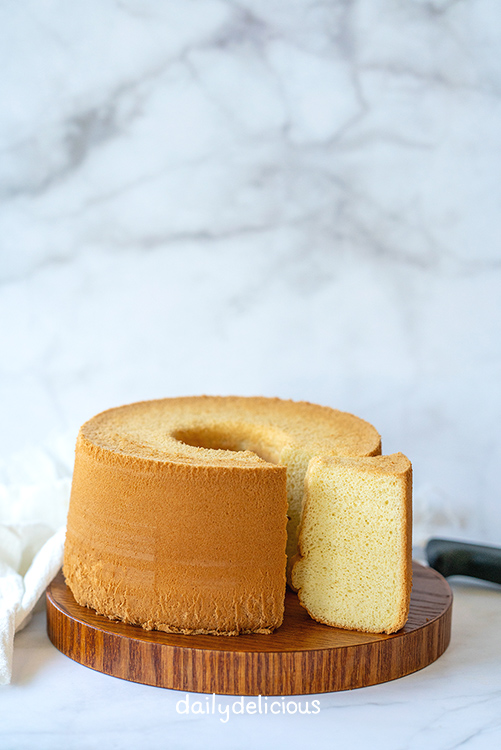
Embarking on the journey of gluten-free baking can initially seem daunting, but with the right knowledge and techniques, it opens up a world of delightful possibilities. Many believe that removing gluten means sacrificing the beloved light, airy, and moist textures of traditional cakes. However, this comprehensive guide is designed to shatter those misconceptions, providing you with the essential insights and practical steps to create truly exceptional gluten-free cakes. We’ll explore the unique properties of various gluten-free flours, with a special focus on the versatility of rice flour, and demystify the art of crafting perfectly spongy and delicious treats that cater to dietary needs without compromising on flavor or enjoyment. Prepare to transform your kitchen into a haven of gluten-free baking success, armed with expert tips and detailed explanations to ensure every cake is a masterpiece.
Understanding Gluten-Free Flours for Baking Success
The foundation of any successful gluten-free cake lies in a deep understanding of the flours used. Unlike wheat flour, which contains gluten proteins that provide structure and elasticity, gluten-free flours require a more nuanced approach to achieve desirable textures. Each gluten-free flour brings its own unique characteristics to the baking process, influencing everything from the cake’s crumb to its moisture content and overall flavor profile.
The Versatility and Benefits of Rice Flour
Rice flour, derived from finely ground rice, is a cornerstone in gluten-free baking due to its neutral flavor and ability to create a delicate crumb. It is available in several forms, each with distinct properties:
- White Rice Flour: Milled from polished white rice, it produces a very fine, light flour that contributes to a tender texture. It’s excellent for achieving lightness but can sometimes lead to a slightly gritty texture if not combined properly.
- Brown Rice Flour: Made from whole grain brown rice, this flour offers a nuttier flavor and more nutritional fiber. It tends to be denser than white rice flour and can make baked goods a bit heavier, making it ideal for heartier cakes or in blends.
- Sweet Rice Flour (Glutinous Rice Flour): Despite its name, it contains no gluten. This flour, made from short-grain sticky rice, is incredibly starchy and acts as a binder, providing elasticity and chewiness, mimicking some of gluten’s properties. It’s crucial for preventing crumbling and adding moisture.
When used correctly, rice flour can impart a lovely crispness to crusts and a tender, airy quality to the interior of cakes, making it a primary ingredient in many successful gluten-free recipes.
Exploring Other Essential Gluten-Free Flours and Starches
While rice flour is excellent, a successful gluten-free cake often relies on a blend of different flours and starches to replicate the complex structure provided by gluten. Each component plays a vital role:
- Almond Flour: Adds moisture, richness, and a subtle nutty flavor. It’s high in protein and fat, contributing to a denser, more substantial crumb.
- Tapioca Starch (or Flour): Derived from the cassava root, tapioca starch is a light, fine powder that provides chewiness and helps bind ingredients. It also contributes to a crispy crust and a light, airy texture when used in moderation.
- Potato Starch: A very fine, white powder that adds lightness, moisture, and a tender crumb. It works well to create a soft interior texture.
- Cornstarch: Similar to potato starch, cornstarch is a common thickener and helps create a very tender, soft texture in cakes.
- Sorghum Flour: Offers a mild, slightly sweet flavor and a smooth texture. It’s a good source of fiber and protein, often used in blends to add structure.
The synergy between these various flours and starches is key to achieving a balanced texture, preventing the common pitfalls of dry, crumbly, or gummy gluten-free bakes. Experimentation with different ratios is often necessary to find the perfect blend for a specific cake type.

Mastering the Art of Gluten-Free Sponge Cakes
Sponge cakes are revered for their incredibly light, airy, and delicate texture, largely achieved through the incorporation of air into eggs. Translating this classic into a gluten-free format presents unique challenges, as the absence of gluten means there’s no elastic network to trap the air and provide structural support. However, with precise techniques and thoughtful ingredient choices, a truly magical gluten-free sponge cake is not only possible but achievable.
Key Challenges and Solutions in Gluten-Free Sponge Baking
The primary hurdles in gluten-free sponge cake production include maintaining the delicate lift achieved by whipped eggs and preventing the cake from becoming dense, dry, or crumbly. Without gluten, the cake relies heavily on alternative binders and starches to hold its structure. A common issue is the cake collapsing after baking, often due to insufficient structural support or overmixing.
- Maintaining Lift: The most crucial step is achieving a stable foam with eggs and sugar. This involves whipping them until they are very pale, thick, and form a ribbon when lifted.
- Preventing Dryness: Gluten-free flours can absorb more moisture. Incorporating ingredients like extra egg yolks, oil, yogurt, or fruit purees can significantly enhance moisture retention.
- Structural Integrity: A balanced gluten-free flour blend, often incorporating sweet rice flour or tapioca starch, is vital. These starches provide the necessary binding properties to prevent the cake from crumbling.
Techniques for Achieving a Light and Fluffy Gluten-Free Sponge
The secret to a light and fluffy gluten-free sponge cake lies in meticulous technique and understanding the role of each ingredient:
- Perfect Egg Whipping: Separate egg whites and yolks if the recipe calls for it, whipping whites to stiff peaks and yolks with sugar until pale and thick. This maximizes air incorporation. Ensure your bowl and whisk are impeccably clean and grease-free.
- Gentle Folding: Once the eggs are whipped, the dry ingredients must be folded in gently and progressively. Overmixing will deflate the precious air, leading to a dense cake. Use a large spatula and a cut-and-fold motion, rotating the bowl as you go.
- Balanced Leavening: While whipped eggs provide significant lift, a small amount of baking powder or soda (if an acidic ingredient is present) can act as a crucial safety net, ensuring a consistent rise.
- Temperature Control: Baking at the correct temperature is vital. Too hot, and the cake might rise too quickly and collapse; too cool, and it may not set properly. A moderate oven temperature allows the cake to set gradually.
By focusing on these detailed steps, bakers can overcome the challenges posed by gluten-free flours and consistently produce sponge cakes that are wonderfully light, airy, and incredibly moist, rivaling their gluten-containing counterparts.

Crafting Easy & Healthy Gluten-Free Rice Flour Cakes
Rice flour cakes offer a delightful entry point into gluten-free baking, known for their tender crumb and gentle flavor profile. They are inherently versatile, allowing for both simplicity and creative variations, making them a fantastic choice for everyday treats or special occasions. The focus on rice flour often lends itself to lighter, healthier formulations, particularly when paired with thoughtful additions for moisture and flavor.
The Advantages of Rice Flour in Healthy Cake Baking
Utilizing rice flour as a primary ingredient in cakes brings several advantages, especially for those seeking healthier options:
- Delicate Crumb: Rice flour produces a finely textured, delicate crumb that is less dense than cakes made with some other gluten-free flours, contributing to a pleasant mouthfeel.
- Neutral Flavor: White rice flour, in particular, has a very mild and neutral flavor, allowing other ingredients like vanilla, fruit, or chocolate to shine through without competition. Brown rice flour offers a slightly nutty undertone that can complement certain flavor profiles.
- Digestibility: For many, rice flour is easier to digest than other grain flours, making it a comfortable choice for those with sensitive digestive systems or specific dietary restrictions beyond just gluten.
These characteristics make rice flour an excellent base for creating cakes that are both delicious and align with a healthy lifestyle.
Step-by-Step Guide to a Basic Gluten-Free Rice Flour Cake
Creating a delicious gluten-free rice flour cake follows a straightforward process, emphasizing proper mixing and ingredient integration:
- Prepare Dry Ingredients: In a large bowl, whisk together your chosen rice flour blend (e.g., white rice flour, sweet rice flour, tapioca starch), baking powder, baking soda (if using), and salt. This ensures even distribution of leavening agents.
- Combine Wet Ingredients: In a separate bowl, whisk together wet ingredients such as eggs, sugar, oil or melted butter, milk (dairy or non-dairy), and any flavorings like vanilla extract. For extra moisture and tenderness, consider incorporating Greek yogurt, applesauce, or a fruit puree.
- Gentle Mixing: Gradually add the dry ingredients to the wet ingredients, mixing only until just combined. Overmixing can develop any inherent starches too much, leading to a gummy texture. A light hand is key here.
- Baking: Pour the batter into a prepared cake pan and bake in a preheated oven according to the recipe’s instructions. Monitor closely, as gluten-free cakes can sometimes bake faster or slower depending on the blend.
- Cooling: Allow the cake to cool in the pan for 10-15 minutes before inverting onto a wire rack to cool completely. This prevents the cake from breaking and allows it to set properly.
Enhancing Moisture and Flavor: Creative Additions
To ensure your rice flour cake is never dry and always bursting with flavor, consider these additions:
- Healthy Fats: Olive oil, coconut oil, or avocado oil can replace butter for a healthier fat profile while contributing significant moisture.
- Fruit Purees: Mashed banana, applesauce, or pumpkin puree not only add moisture but also natural sweetness and nutrients.
- Dairy Alternatives: Almond milk, oat milk, or coconut milk can be used interchangeably with dairy milk, offering different flavor nuances and catering to lactose-intolerant individuals.
- Zests and Spices: Lemon or orange zest, cinnamon, nutmeg, or cardamom can elevate the flavor profile dramatically, adding brightness and warmth.
- Chocolate: For a decadent treat, incorporate cocoa powder into the dry ingredients and add chocolate chips or chunks to the batter.
By thoughtfully integrating these elements, your gluten-free rice flour cakes will be consistently moist, flavorful, and incredibly satisfying.

Essential Techniques for Perfect Gluten-Free Cake Texture
Achieving the perfect texture in gluten-free cakes is an art form that blends precise ingredient ratios with meticulous baking techniques. The goal is to avoid the common pitfalls of dryness, gumminess, or a crumbly consistency, instead aiming for a moist, tender, and structurally sound cake. This requires attention to detail at every stage, from mixing to cooling.
Preventing Gumminess and Ensuring Moisture
Gumminess is a common complaint in gluten-free baking, often resulting from excessive starch or improper mixing. Conversely, dryness can occur if moisture-retaining ingredients are insufficient or baking times are too long.
- Proper Mixing: Unlike gluten-containing batters where gluten development is desired, gluten-free batters benefit from minimal mixing. Mix only until the ingredients are just combined. Overmixing can activate starches, leading to a gluey or gummy texture.
- Strategic Use of Gums: Xanthan gum or guar gum are often added to gluten-free recipes to mimic gluten’s binding properties, preventing crumbling. However, too much can lead to gumminess. Follow recipes carefully or start with a small amount (e.g., 1/4 teaspoon per cup of GF flour blend) if adding independently.
- Hydration is Key: Ensure adequate liquid in your recipe. Gluten-free flours tend to be thirstier than wheat flour. Incorporate ingredients like yogurt, sour cream, buttermilk, fruit purees, or oils to boost and lock in moisture.
- Accurate Baking Time: Overbaking is a primary culprit for dry cakes. Always check for doneness using a toothpick inserted into the center – it should come out with moist crumbs, not wet batter, but also not completely dry.
Achieving Optimal Rise and Structure
A good rise is essential for a light cake, and maintaining that structure through baking and cooling is equally important in gluten-free applications.
- Fresh Leavening Agents: Always use fresh baking powder and baking soda. These lose potency over time, and expired leavening can result in a flat, dense cake. Test them by adding a small amount to hot water (baking soda) or vinegar (baking powder) – they should fizz vigorously.
- Oven Temperature Accuracy: An accurately calibrated oven is crucial. If your oven runs too hot or too cold, it can impact the cake’s rise and overall texture. Use an oven thermometer to verify.
- Even Heat Distribution: Place your cake pan in the center of the oven, allowing for even heat circulation. Avoid opening the oven door frequently during the initial baking phase, as sudden temperature drops can cause the cake to sink.
- Cooling Protocol: The cooling process is as vital as baking. Allow cakes to cool in their pans for the recommended time (typically 10-20 minutes) before inverting onto a wire rack. This allows the internal structure to set and prevents crumbling. Rapid cooling can cause thermal shock, leading to cracks or collapse.
By integrating these techniques into your gluten-free baking routine, you will significantly improve the texture of your cakes, making them consistently tender, moist, and delightfully structured.

Troubleshooting Common Gluten-Free Baking Issues
Even with the best recipes and intentions, gluten-free baking can present unique challenges. Understanding how to diagnose and rectify common problems is a hallmark of an experienced baker. From cakes that fall flat to those that are inexplicably gummy, addressing these issues proactively ensures consistently delicious results.
Diagnosing and Fixing Cake Disasters
Identifying the root cause of a baking mishap is the first step toward prevention and improvement. Here’s a breakdown of frequent issues and their solutions:
| Issue | Common Causes | Solutions |
|---|---|---|
| Cake Falls Flat/Sinks | Expired leavening agents, oven door opened too soon, overmixing (deflating air), too much liquid, insufficient flour. | Ensure fresh baking powder/soda. Avoid opening oven door for first 2/3 of baking time. Mix gently. Check liquid-to-flour ratio. |
| Dry or Crumbly Cake | Overbaking, too much flour, insufficient liquid/fat, incorrect flour blend (e.g., too much absorbent flour). | Use an oven thermometer and check for doneness promptly. Reduce flour slightly or increase liquid/fat. Add purees or yogurt. |
| Gummy Texture | Overmixing, too much starch (e.g., tapioca, potato), too much xanthan/guar gum, not enough baking time. | Mix only until just combined. Balance flour blend with less starch. Reduce gum if adding extra. Ensure cake is fully baked. |
| Dense Cake | Insufficient leavening, overmixing, cold ingredients (especially eggs/butter), oven too cool. | Use fresh leavening. Mix gently to retain air. Ensure ingredients are at room temperature. Verify oven temperature. |
| Gritty Texture | Coarsely ground gluten-free flours (e.g., some brown rice flours), insufficient liquid. | Use finely milled flours. Allow batter to rest for 15-30 minutes before baking to hydrate flours. Ensure adequate liquid. |
Enhancing Flavor and Overall Appeal
Beyond texture, the flavor profile and presentation of a gluten-free cake are paramount to its success. Sometimes, gluten-free cakes can taste “flat” or lack the richness of their traditional counterparts.
- Boost Flavor with Extracts and Zests: Don’t be shy with vanilla extract, almond extract, or citrus zests. These natural enhancers can significantly brighten and deepen the cake’s flavor.
- Salt is Essential: A pinch of salt balances sweetness and brings out other flavors. Ensure your recipe includes it.
- Consider Spices: Cinnamon, nutmeg, cardamom, ginger, or even a touch of black pepper can add warmth and complexity, especially in fruit or vegetable-based cakes.
- Layering Flavors: Incorporate different flavor elements in the batter, fillings, and frostings. For example, a lemon cake could have lemon zest in the batter, a lemon curd filling, and a lemon cream cheese frosting.
- Presentation Matters: A beautifully frosted and decorated cake always tastes better. Simple garnishes like fresh berries, a dusting of powdered sugar, or a sprinkle of chopped nuts can elevate its appeal.
By systematically addressing these common issues and actively seeking ways to enhance flavor, you can consistently produce gluten-free cakes that are not only texturally perfect but also wonderfully delicious and visually appealing, making every bite a delightful experience.
Frequently Asked Questions (FAQ)
- Q1: What is the best gluten-free flour blend for cakes?
- There isn’t a single “best” blend, as it depends on the desired cake texture. However, a common and effective blend often includes a mix of light flours (like white rice flour or sorghum flour) for tenderness, a starch (like tapioca or potato starch) for elasticity and moisture, and a binder (like sweet rice flour or a small amount of xanthan gum) for structure. Many commercial blends are excellent starting points, or you can create your own with ratios like 40% whole grain GF flour, 30% light GF flour, and 30% starch.
- Q2: How do I prevent my gluten-free cake from being dry?
- To combat dryness, ensure you’re not overbaking – use a timer and check for doneness with a toothpick. Incorporate moisture-rich ingredients like extra eggs (especially yolks), oil, applesauce, Greek yogurt, or mashed banana. Using full-fat dairy or non-dairy milk and ensuring your flour blend isn’t overly absorbent can also help. Allowing the cake to cool completely on a wire rack before cutting also helps retain moisture.
- Q3: Can I substitute rice flour with almond flour in a recipe?
- Generally, no, not on a 1:1 basis, as they have very different properties. Rice flour is lighter and starchier, while almond flour is denser, higher in fat and protein, and lacks the same binding capabilities. Substituting directly would likely result in a very dense, moist, and potentially crumbly cake. If you want to use almond flour, look for recipes specifically developed for it or use it as a partial substitute in a blend, adjusting liquids and binders as needed.
- Q4: What’s the secret to a fluffy gluten-free sponge cake?
- The secret lies primarily in two areas: meticulous egg whipping and gentle folding. Ensure your eggs (and sugar, if applicable) are whipped to maximum volume and stability, incorporating as much air as possible. Then, when adding dry ingredients, fold them in very gently using a spatula, preserving that precious air. A balanced gluten-free flour blend (often with some sweet rice flour or tapioca starch) helps maintain the structure of the trapped air.
- Q5: How long do gluten-free cakes last?
- Gluten-free cakes generally have a similar shelf life to their gluten-containing counterparts, typically 3-5 days at room temperature when properly stored in an airtight container. Refrigeration can extend this to about a week, though some cakes might dry out slightly. Many gluten-free cakes also freeze exceptionally well for up to 2-3 months, making them great for meal prepping or enjoying later.