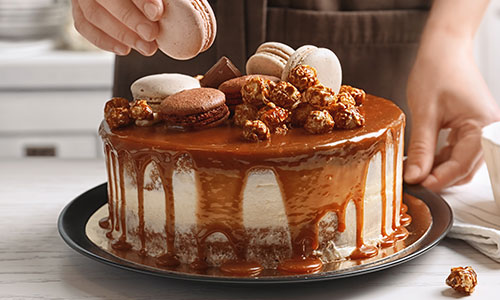
A truly memorable cake is more than just a sweet sponge with a layer of frosting. It’s a culinary experience, a carefully constructed masterpiece of flavor, moisture, and, most importantly, texture. For bakers looking to elevate their creations from simple desserts to show-stopping centerpieces, the journey begins by looking beyond the basics. It involves mastering the elements that create contrast and complexity—the silky flow of a handcrafted sauce, the ethereal lightness of a signature cream, and the surprising crunch of a hidden textural layer. This guide will walk you through these three core pillars of advanced cake architecture, empowering you to build cakes that offer a delightful surprise in every single bite.
The Foundation of Flavor: Mastering Handcrafted Sauces
While frosting provides structure and a primary flavor profile, handcrafted sauces introduce a new dimension of taste and moisture. They can transform a simple cake into a decadent and dynamic dessert. A well-made sauce not only adds flavor but also enhances the cake’s mouthfeel, ensuring each slice is moist and rich from the inside out. The visual appeal of a perfectly executed drip or a glistening soaked layer is undeniable.
Why Sauces are a Game-Changer for Cakes
Integrating sauces into your baking repertoire is a significant step forward. They serve multiple purposes: they can be drizzled on top for a dramatic finish, used as a filling between layers for a concentrated burst of flavor, or even brushed onto cake sponges as a syrup to lock in moisture and add a subtle background note. This versatility allows for endless creativity and customization.
Essential Sauce Recipes for Your Repertoire
Mastering a few key sauces provides a powerful toolkit for any baker. Each offers a unique flavor profile and consistency suited for different applications.
- Classic Salted Caramel: This sauce offers a perfect balance of sweet, salty, and buttery richness. It pairs beautifully with chocolate, apple, and vanilla cakes. Its viscosity makes it ideal for creating the popular “drip” effect along the edges of a cake.
- Vibrant Fruit Coulis: A coulis is a smooth, vibrant sauce made from puréed and strained fruit, typically sweetened. Raspberry, strawberry, or mango coulis can cut through the richness of a creamy cake, adding a bright, tangy counterpoint. It’s excellent as a filling or drizzled over a finished slice.
- Luxurious Chocolate Ganache: A simple mixture of chocolate and warm cream, ganache is incredibly versatile. When warm, it can be poured for a glossy coating. As it cools, it thickens, making it a perfect filling or the base for a whipped frosting. The ratio of chocolate to cream determines its final consistency.
Application Techniques: From Drips to Soaks
The way you apply a sauce is just as important as the sauce itself. For a dramatic drip effect, ensure your cake is well-chilled and your sauce (like caramel or ganache) has cooled slightly to a thicker consistency. Use a spoon or squeeze bottle to apply it around the top edge of the cake, allowing it to drip down the sides naturally. For soaking layers, create a simple syrup (equal parts sugar and water, boiled) and infuse it with flavor, like vanilla or a liqueur. Once cooled, brush this syrup generously over your cake layers before assembling to ensure a moist crumb.

Whipped to Perfection: The Art of Signature Creams
The cream used in a cake is far more than just a filler. It is the heart of the cake’s texture, providing a soft, luscious contrast to the sponge. The right cream can lighten a dense cake, complement its primary flavor, and serve as the perfect vehicle for more delicate additions. Understanding the properties of different creams is essential for achieving professional-level results.
Understanding the Role of Cream in Cake Construction
Creams dictate the overall mouthfeel of a cake. A light Chantilly cream creates an airy, delicate experience, while a rich pastry cream adds a dense, custardy luxury. The choice of cream should be a deliberate one, designed to balance the other components of the cake. It’s also a primary carrier of subtle flavors, which can be infused through extracts, zests, spices, or even steeped ingredients like coffee beans or tea leaves.
A Guide to Different Types of Cake Creams
Each type of cream has its own unique characteristics and best uses. Expanding your knowledge beyond simple whipped cream opens up a world of textural possibilities.
- Light & Airy: Chantilly Cream: This is essentially sweetened whipped cream, often flavored with high-quality vanilla extract. For stability in a layer cake, it’s crucial to use heavy whipping cream with a high fat content and to ensure your bowl and beaters are thoroughly chilled before you begin.
- Rich & Custardy: Crème Pâtissière (Pastry Cream): A much thicker, richer filling, pastry cream is a cooked custard made from milk, eggs, sugar, and a thickener like cornstarch or flour. Its stable, pudding-like consistency makes it an excellent filling that won’t squish out from between cake layers.
- Tangy & Decadent: Mascarpone Cream: By whipping mascarpone cheese with heavy cream and powdered sugar, you create a cream that is both rich and slightly tangy. It’s exceptionally stable and provides a luxurious texture, famously used in Tiramisu but wonderful in many other layer cakes.
Pro Tips for Achieving a Stable, Flavorful Cream
The biggest challenge with whipped creams is stability. To prevent a cream from weeping or collapsing over time, you can add a stabilizer. A small amount of unflavored gelatin, cornstarch, or even instant pudding mix can be added during the whipping process to give the cream the structure it needs to hold up within a layer cake. When infusing flavors, add extracts at the end of whipping, but for things like citrus zest, you can whip them in earlier to fully release their oils.

Building a Masterpiece: Layering for Textural Surprise
The true mark of an advanced cake is the thoughtful inclusion of textural contrast. A cake that is uniformly soft from top to bottom can be pleasant, but one that introduces an unexpected crunch or a satisfying chew becomes memorable. Layering these elements correctly is an art form that transforms the eating experience into a journey of discovery.
The Philosophy of Textural Contrast
The goal is to surprise and delight the palate. By placing a thin layer of something crunchy, chewy, or crisp between soft layers of cake and cream, you break up the monotony and create moments of interest. The key is balance; the textural element should complement the cake, not overwhelm it. It should be a distinct layer that is noticeable yet harmonious with the overall composition.
Your Arsenal of Textural Elements
Building a pantry of textural ingredients gives you the flexibility to customize any cake. Think about how these different categories can interact with your flavors.
- Adding the Crunch: This is often the most impactful textural addition. Consider a layer of toasted nuts like pecans or almonds, a sprinkle of praline, crushed cookies (like Biscoff or Oreo), or delicate, crispy feuilletine flakes.
- Introducing the Chew: A chewy layer adds a satisfying density. This can be achieved with a thick fruit compote (cooked-down fruit that holds its shape), a layer of firm caramel, or even small pieces of chewy brownie or cookie dough embedded in a cream filling.
- Perfecting the Soft: Softness can also be a textural layer. A distinct layer of a silky chocolate mousse or a tart lemon curd between cake sponges creates a contrast in softness, adding complexity without crunch.
The Structural Engineering of Layer Cakes: Dams and Assembly
To successfully incorporate softer fillings like coulis, curd, or mousse without them spilling out, you must build a buttercream dam. After placing a cake layer, pipe a firm ring of buttercream around its top outer edge. This creates a barrier. You can then confidently spread your soft filling inside this ring. Place the next cake layer on top, and the dam will hold everything securely in place, ensuring clean, beautiful slices.

Synergy in Action: Advanced Flavor and Texture Pairings
The final step is to bring all these elements together into a cohesive and delicious whole. This is where you combine sauces, creams, and textures to create a signature cake. The possibilities are endless, but understanding the principles of pairing will guide you toward successful combinations.
Case Study 1: The Ultimate Chocolate-Caramel Crunch Cake
This cake is a masterclass in texture. It starts with layers of a deep chocolate sponge. Each layer is filled with a silky chocolate ganache, but before the next layer is added, a ring of salted caramel is drizzled inside a buttercream dam, and a generous sprinkle of crunchy pecan praline is added on top. The result is a cake that is soft, creamy, chewy, and crunchy all in one bite.
Case Study 2: The Lemon Raspberry Cloud Cake
For a lighter but equally complex experience, consider this combination. Fluffy vanilla bean cake layers are brushed with a light lemon syrup. Between the layers is a tangy and vibrant lemon curd, held in by a dam, and surrounded by a light-as-air mascarpone cream. Fresh raspberries are gently pressed into the cream, providing a soft burst of tartness that contrasts with the silky curd and fluffy cake.
Principles for Creating Your Own Signature Combinations
When designing your own cake, think about balance. If you have a very rich, dense component like a brownie layer, pair it with a lighter cream like Chantilly to avoid overwhelming the palate. If your flavors are very sweet, like white chocolate and caramel, introduce a tart element like a passionfruit coulis to cut through the sweetness. Always consider one primary flavor and use the other elements to support and elevate it.
Frequently Asked Questions (FAQ)
- Q1: How do I prevent my cake layers from getting soggy when using soaking syrups?
- The key is to apply the syrup when the cake layers have cooled completely. Apply it evenly with a pastry brush rather than pouring it on. Use just enough to moisten the crumb, not drench it. A good rule of thumb is 1-2 tablespoons of syrup per 8-inch cake layer.
- Q2: What’s the best way to stabilize whipped cream for a layer cake?
- Using unflavored gelatin is a very effective professional method. “Bloom” a small amount of gelatin in cold water, then gently melt it and allow it to cool slightly. While whipping your cream, slowly drizzle in the cooled gelatin mixture once soft peaks have formed. Continue whipping to stiff peaks. This will create a very stable cream that can hold its shape for days.
- Q3: Can I prepare these sauces, creams, and textural components in advance?
- Absolutely. In fact, it’s highly recommended. Sauces like caramel and ganache can be made several days ahead and stored in the refrigerator. Pastry cream also keeps well for up to three days. Textural elements like toasted nuts or cookie crumbles can be prepared and stored in an airtight container at room temperature for a week or more. This makes cake assembly day much more manageable.
- Q4: How do I keep my soft fillings from oozing out the sides of the cake?
- The buttercream dam is the most crucial technique. Use a stiff consistency buttercream for the dam. Pipe a solid, even ring about half an inch high around the edge of your cake layer. Once you spread your soft filling inside this ring, it will be securely contained when you add the next layer of cake.
- Q5: What’s a common mistake to avoid when adding textural elements like nuts or crumbles?
- A common mistake is making the textural layer too thick. This can cause the cake layers to slide and become unstable. Keep the layer of nuts, praline, or crumbles relatively thin and press it gently into the cream filling to help it adhere. This ensures you get the desired crunch without compromising the cake’s structural integrity.