The Art of Artisanal Cake Enjoyment
Whether you are a home baker seeking the perfect balance of tart and sweet or a dessert lover looking for the convenience of high-quality handmade cakes, the journey to a great slice begins with ingredient integrity. Artisanal cakes, defined by their meticulous preparation and high-quality components, offer a sensory experience that mass-produced options simply cannot replicate.
Why Choose Handmade Over Mass-Produced
- Ingredient Quality: Handmade cakes utilize fresh fruits, high-fat butter, and real vanilla, avoiding the preservatives and stabilizers found in supermarket options.
- Texture Profiles: The crumb structure of a scratch-made cake is aerated and moist, whereas commercial cakes often rely on emulsifiers that create a gummy texture.
- Customization: Ordering from artisanal services allows for bespoke flavor combinations and dietary adjustments that cater to specific palate preferences.

Essential Techniques for the Perfect Lemon Raspberry Layer Cake
The Lemon Raspberry layer cake is a sophisticated balance of acidity and sweetness. Achieving the ideal texture requires precision in both preparation and heat management. The following steps outline the professional approach to constructing this classic dessert.
Mastering the Sponge Base
The foundation of a great layer cake is a stable yet tender sponge. Using the creaming method—beating butter and sugar until pale and fluffy—is crucial for incorporating air. This aeration is what provides the lift necessary for a light, professional-grade crumb.
The Science of Fruit Integration
Incorporating raspberries into the batter requires specific care to prevent them from bleeding or sinking to the bottom of the tin. Pro Tip: Toss your raspberries in a light dusting of flour before folding them into the batter. This creates a surface tension that helps them remain suspended throughout the baking process.

Optimizing Your Online Ordering Experience
If your schedule does not permit a full day of baking, Day Day Wellness provides a streamlined approach to enjoying premium cakes at home. Understanding the logistics of online ordering ensures your cake arrives in pristine condition.
Logistics of Fresh Delivery
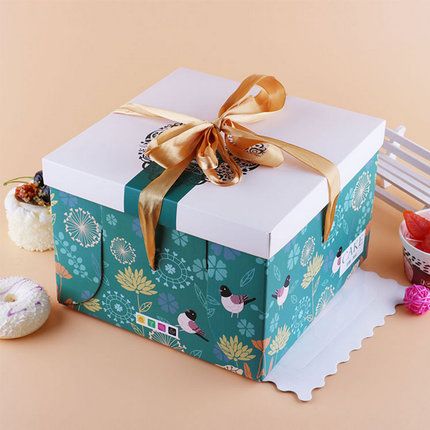
When ordering handmade cakes, consider the transit time and temperature control. High-end services use specialized packaging to maintain structural integrity during delivery. Always check the delivery window to ensure you are home to receive the item immediately, as artisanal products lack the heavy preservatives that extend the shelf life of store-bought cakes.

Advanced Assembly and Finishing Touches
The final assembly of a layer cake is where aesthetics meet flavor. A well-constructed cake should have perfectly level layers and smooth frosting, ensuring each bite contains the ideal ratio of sponge to filling.
Layering Strategies
| Layer Component | Technique | Purpose |
|---|---|---|
| Sponge | Leveling with a serrated knife | Ensures stability and even height |
| Filling | Piping a frosting dam | Prevents fruit filling from leaking |
| Crumb Coat | Thin layer of frosting | Locks in crumbs before final decoration |
Frequently Asked Questions (FAQ)
- Q1: Why did my cake layers sink in the middle?
- This is typically caused by opening the oven door too early, which creates a temperature drop, or by over-mixing the batter, which develops too much gluten and collapses the air pockets.
- Q2: Can I use frozen raspberries instead of fresh?
- Yes, but do not thaw them beforehand. Adding frozen berries directly to the batter prevents the juice from bleeding into the sponge and creating streaks.
- Q3: How should I store a handmade cake for maximum freshness?
- Keep the cake in an airtight container at room temperature for up to two days. If the cake contains fresh fruit or cream fillings, it must be refrigerated and brought to room temperature before serving.
- Q4: What is the benefit of a “crumb coat”?
- A crumb coat is a thin layer of frosting applied to the entire cake to seal in loose crumbs. Once chilled, this layer provides a smooth, clean surface for the final, decorative layer of frosting.