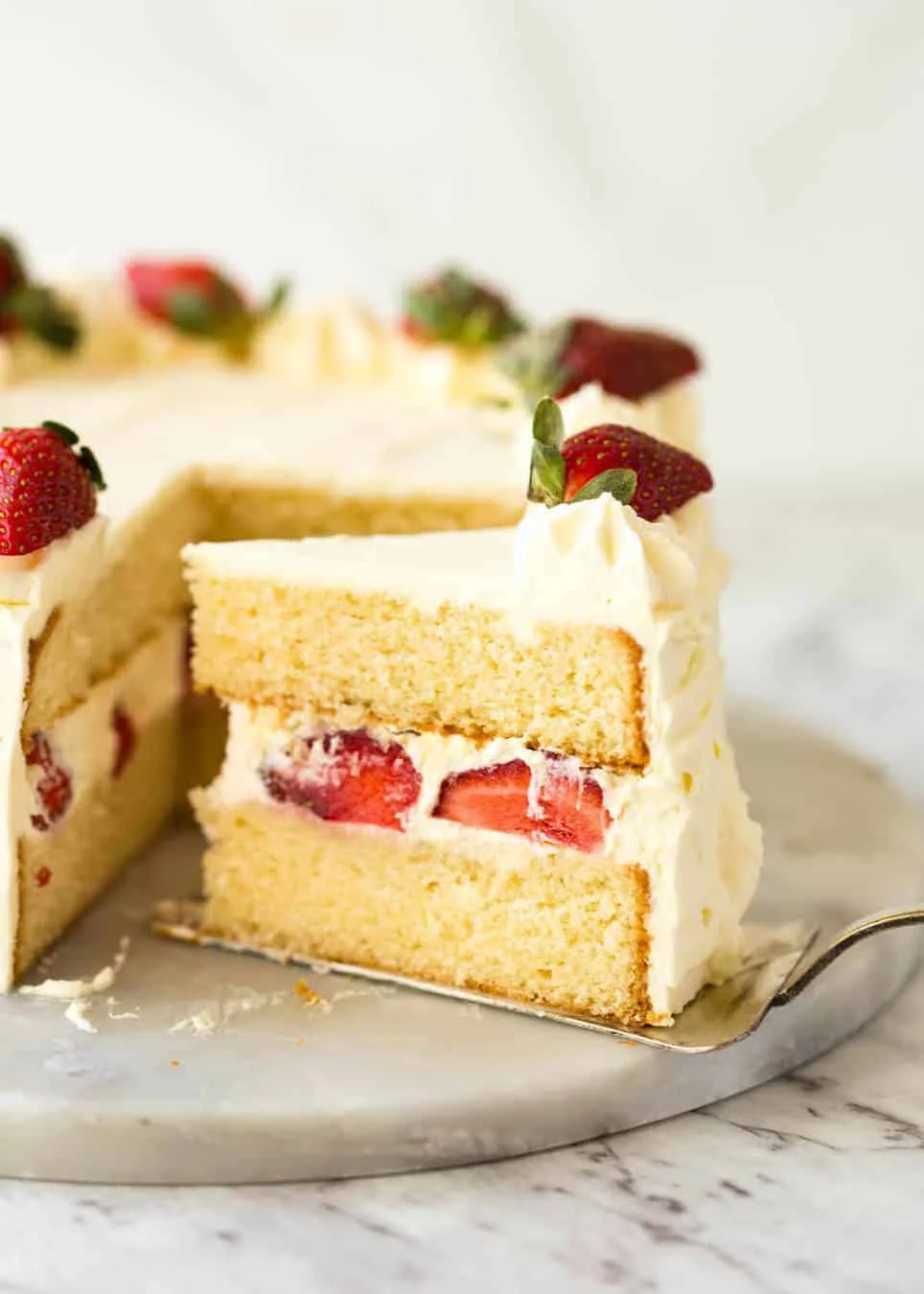
Baking a cake is an intensive process of love, precision, and chemistry. However, the challenge often begins after the oven timer dings: how do you maintain that “just-baked” quality over several days or even months? Whether you are a professional baker preparing for a large event or a home enthusiast looking to reduce food waste, understanding the nuances of cake storage is essential. This guide provides an exhaustive look into the mechanisms of moisture retention, the science of freezing, and the best practices for every type of cake imaginable.
The Fundamentals of Cake Preservation and Storage
The primary enemies of a fresh cake are air and temperature fluctuations. When a cake is exposed to air, the moisture within the crumb evaporates, leading to a dry, crumbly texture. Simultaneously, the process of starch retrogradation—where starch molecules crystallize—causes the cake to turn stale. Choosing the right storage environment is the first step in combatting these effects.
Room Temperature Storage
Most cakes, particularly those with high fat content like pound cakes or oil-based sponges, thrive at room temperature for short periods. If the cake is unfrosted, it should be wrapped tightly in plastic wrap or placed under a cake dome. For frosted cakes, the frosting actually acts as a protective barrier, sealing in moisture. However, once the cake is sliced, the exposed interior must be covered with extra frosting or pressed with plastic wrap to prevent localized drying.
The Role of Refrigeration
While many believe the refrigerator is the best place for food, it can be detrimental to cakes. The cold, dry air of a refrigerator can accelerate the staling process unless the cake contains perishable ingredients. You should only prioritize refrigeration if your cake features:
- Fresh Fruit: Berries or sliced fruit used as filling or topping.
- Dairy-Based Frostings: Whipped cream, cream cheese frosting, or mascarpone fillings.
- Custards and Curds: Any pastry cream or lemon curd that requires temperature control for safety.

Step-by-Step Guide to Freezing Cakes for Maximum Freshness
Freezing is the most effective way to “pause” the aging process of a cake. When done correctly, a frozen cake can taste indistinguishable from a fresh one. The secret lies in the multi-layer protection strategy which prevents freezer burn and the absorption of external odors.
The Flash Freezing Technique
Before wrapping a decorated cake, it is crucial to “flash freeze” it. Place the cake (uncovered) in the freezer for 1 to 2 hours until the frosting is rock hard. This ensures that when you apply the protective wrapping, the beautiful decorations and smooth edges are not smudged or compressed.
The Triple-Layer Protection Method
To ensure long-term viability (up to 3 months), follow these specific wrapping steps:
- Layer 1: Plastic Wrap. Wrap the chilled cake tightly in at least two layers of high-quality plastic wrap. Ensure there are no gaps where air can enter.
- Layer 2: Aluminum Foil. Add a layer of heavy-duty aluminum foil over the plastic wrap. This provides a barrier against light and prevents the cake from absorbing the scents of other frozen foods like onions or fish.
- Layer 3: Airtight Container. Place the wrapped cake into a sturdy plastic container or a freezer-safe zip-top bag. This adds a physical shield against crushing.
| Cake Type | Freezer Shelf Life | Best Wrapping Method |
|---|---|---|
| Unfrosted Sponge/Pound | 3 – 4 Months | Double plastic wrap + Foil |
| Buttercream Frosted | 2 – 3 Months | Flash freeze + Double plastic wrap |
| Fruit-Filled Cakes | 1 Month | Airtight container (avoid long freezing) |
| Cheesecakes | 2 Months | Wrapped in parchment + Foil |

Specialized Storage Techniques for Different Cake Varieties
Not all cakes are created equal, and their structural components dictate how they should be handled during storage. High-fat cakes generally freeze better than low-fat, high-moisture cakes.
Sponge and Chiffon Cakes
These cakes rely on air bubbles for their structure. Because they are lean, they can dry out quickly. When storing these, consider brushing the layers with a light simple syrup (equal parts sugar and water) before freezing. This adds an extra layer of moisture insurance that keeps the crumb tender upon thawing.
Buttercream and Ganache Masterpieces
Butter-based frostings are ideal for freezing because the fat content stabilizes at low temperatures. However, avoid freezing cakes with delicate meringue-based toppings or boiled frostings, as these can become rubbery or “weep” moisture when the temperature changes.
Rich Cheesecakes and Flourless Chocolates
These dense desserts are incredibly resilient in the freezer. For cheesecakes, it is often best to freeze them in individual slices. Place a piece of parchment paper between each slice before wrapping the entire “reconstructed” cake. This allows you to remove only what you need without thawing the whole dessert.

The Science of Thawing: Restoring Texture and Flavor
Thawing is just as critical as freezing. If you thaw a cake too quickly at room temperature, condensation will form on the surface. For a frosted cake, this can lead to “sweating,” where the sugar in the frosting dissolves into beads of water, ruining the appearance.
The Refrigerator Thaw (The Professional Standard)
The safest way to thaw a cake is to move it from the freezer to the refrigerator 24 hours before you plan to serve it. Keep the wrapping on during this process. The wrapping ensures that any condensation forms on the outside of the plastic/foil rather than on the cake itself. Once the cake has softened in the fridge, you can move it to the counter for 1-2 hours to bring it to room temperature for the best flavor profile.
Thawing Unfrosted Layers
If you have frozen individual unfrosted layers, you can actually begin frosting them while they are still slightly chilled. This makes the cake easier to handle and reduces the number of crumbs that get caught in your “crumb coat” layer of frosting. However, ensure the layers are fully thawed before the final serving to ensure the texture is soft.

Long-Term Storage Solutions and Professional Tips
To truly master cake storage, one must look beyond the basics and adopt the habits of professional pastry chefs. These tips ensure that your cakes remain a source of pride, regardless of when they were baked.
The Importance of Labeling
Never trust your memory. Always use a permanent marker and masking tape to label your frozen cakes with the date of baking, the flavor, and the suggested “use-by” date. This prevents the “mystery parcel” syndrome and helps you practice a “First In, First Out” (FIFO) inventory system.
Managing Odor Transfer
Cakes are highly porous and act like sponges for environmental smells. If your freezer contains pungent items like garlic or seafood, consider placing an open box of baking soda in the freezer. Additionally, ensure your cake container is truly airtight; a simple snap-lid container may not be enough for long-term storage without the secondary foil wrap.
Restoring Moisture to Stale Cake
If a cake has been stored poorly and feels slightly dry, all is not lost. You can revive individual slices by microwaving them for 5-10 seconds with a small cup of water placed next to the plate. The steam will temporarily soften the crumb. Alternatively, dry cake can be repurposed into cake pops, trifles, or bread pudding.
Frequently Asked Questions (FAQ)
- Q1: Can I freeze a cake that has already been sliced?
- Yes, you can freeze individual slices. Wrap each slice tightly in plastic wrap and then place them all into a heavy-duty freezer bag. This is a great way to enjoy a treat over several weeks without having to thaw an entire cake.
- Q2: Why does my frosting change color after being frozen?
- This is usually due to “oxidation” or moisture migration. Deep colors like red or dark blue can sometimes bleed into white frosting during the thawing process. To prevent this, ensure the cake is thawed slowly in the refrigerator and avoid touching the frosting until it has reached room temperature.
- Q3: Should I freeze the cake layers before or after leveling them?
- It is generally better to level your cakes (trimming off the domed top) after they have been frozen and slightly thawed. Cold cake is much firmer and less likely to crumble, allowing for a much cleaner and more precise cut.
- Q4: How can I tell if a frozen cake has gone bad?
- Look for signs of freezer burn, which appear as white, dehydrated patches on the surface of the cake. Additionally, if the cake has a distinct “freezer smell” or if the texture has become excessively gummy or hard after thawing, it is best to discard it.
- Q5: Is it safe to freeze cakes with cream cheese frosting?
- Yes, cream cheese frosting freezes quite well due to its high fat and sugar content. However, it may become slightly softer upon thawing. If the frosting seems too soft, you can briefly chill it in the fridge to firm up the butter and cheese components.