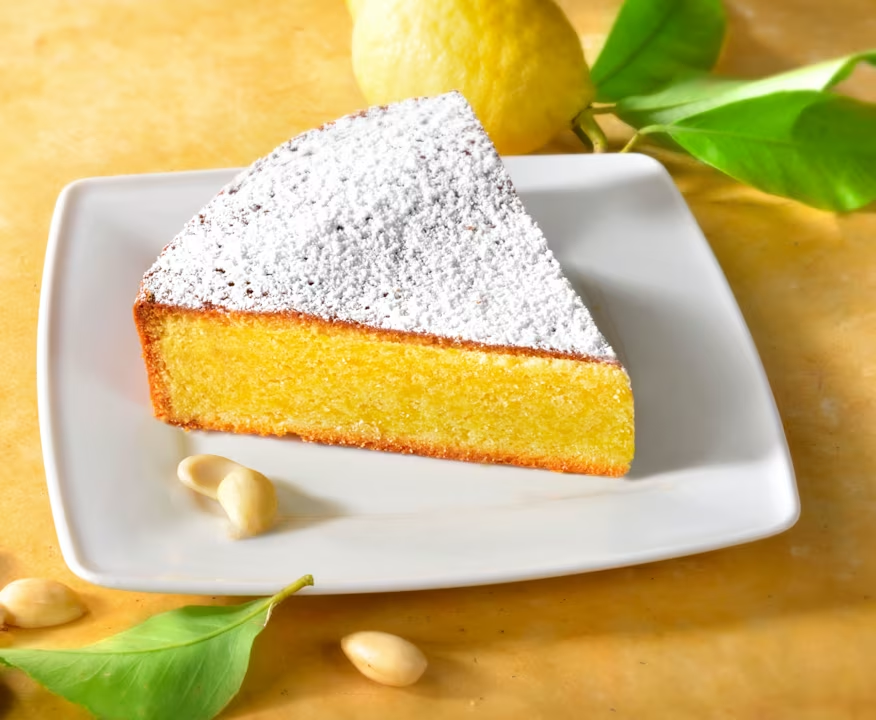
The desire for a decadent slice of cake is universal, but for those managing their sugar intake or following a ketogenic diet, it often feels like an impossible indulgence. The fear of blood sugar spikes, carb counts, and empty calories can overshadow the simple joy of a sweet treat. However, a revolution in baking is underway, proving that low-sugar and keto-friendly cakes can be just as flavorful, moist, and satisfying as their traditional counterparts. This comprehensive guide will walk you through the science, ingredients, and techniques needed to master the art of guilt-free baking, allowing you to keep the flavor and lose the spike.
We will explore everything from the fundamental role of sugar in baking and why its alternatives are so crucial, to the nuances of working with low-carb flours like almond and coconut. You’ll learn how to build complex flavors using fats, spices, and natural extracts, and discover recipes and ideas for cakes and frostings that feel truly indulgent. Prepare to transform your approach to dessert and embrace a world where healthy choices and delicious cakes coexist beautifully.
The Science of Sugar in Baking and Why We Need Alternatives
To successfully replace sugar, we must first understand the multifaceted role it plays in traditional baking. Sugar is not just a sweetener; it is a critical structural and chemical component. Recognizing its functions is the first step toward finding effective replacements that deliver a comparable result without the negative health impacts.
The Many Roles of Sugar Beyond Sweetness
In any cake recipe, sugar performs several essential jobs that contribute to the final product’s quality. When you remove it, you must compensate for these functions to avoid a dry, dense, or bland result.
- Moisture Retention: Sugar is hygroscopic, meaning it attracts and holds onto water. This is what keeps traditional cakes moist and extends their shelf life. Without it, cakes can become dry and crumbly very quickly.
- Tenderization: Sugar interferes with gluten development and protein coagulation. It gets in the way of flour proteins forming tight bonds, resulting in a more tender crumb.
- Leavening: During the creaming process (beating sugar with butter), the sharp edges of sugar crystals create tiny air pockets in the fat. These pockets expand when heated, helping the cake to rise and creating a light, airy texture.
- Browning and Flavor: Through the Maillard reaction and caramelization, sugar is responsible for the appealing golden-brown crust and complex, toasted flavors of a well-baked cake.
Understanding the Impact of Sugar on Blood Glucose
The primary driver behind the low-sugar cake revolution is the metabolic impact of refined sugars and carbohydrates. When you consume a traditional cake, the simple carbs are rapidly digested, leading to a sharp increase in blood glucose levels. This “sugar spike” triggers a significant insulin release from the pancreas to help cells absorb the glucose. Over time, frequent spikes can contribute to insulin resistance, inflammation, and other health concerns. Low-sugar and ketogenic cakes are designed to mitigate this response by using ingredients that have a minimal impact on blood sugar, providing a stable source of energy and making them suitable for diabetics and those on a low-carb diet.

Mastering Low-Sugar Sweeteners: Your Guide to Natural Alternatives
The cornerstone of any low-sugar cake is the sweetener. Modern food science has provided several excellent natural alternatives that offer sweetness without the metabolic consequences of sugar. The most popular choices for baking are sugar alcohols and high-intensity natural sweeteners. Understanding their unique properties is key to achieving the best taste and texture.
The Big Three: Erythritol, Monk Fruit, and Stevia
While many sweeteners exist, these three have become the gold standard in low-carb and keto baking for their flavor profile and minimal impact on blood sugar.
- Erythritol: A sugar alcohol that is about 70% as sweet as sugar. It has a very low glycemic index and is generally well-tolerated digestively. It provides bulk, which helps replicate the structure sugar provides. Its main drawback can be a slight “cooling” sensation on the palate, which is often minimized when combined with other sweeteners.
- Monk Fruit: A natural, zero-calorie sweetener extracted from the monk fruit. It is incredibly potent—up to 200 times sweeter than sugar—so a little goes a long way. It has no aftertaste for most people and is often blended with erythritol to create a 1:1 sugar replacement that balances sweetness and bulk.
- Stevia: Another plant-derived, high-intensity sweetener. Like monk fruit, it’s calorie-free and doesn’t raise blood sugar. Some people detect a slightly bitter or licorice-like aftertaste, especially at high concentrations. It is also commonly blended with erythritol in commercial products.
How to Substitute Sweeteners in Recipes
When substituting sweeteners, it’s rarely a simple 1:1 swap by volume, unless you are using a specifically formulated product designed for that purpose. Always check the manufacturer’s conversion chart. Because these alternatives don’t caramelize or brown like sugar, you may notice your cakes are paler. To compensate, you can add a small amount of molasses (if not strictly keto) or use ingredients like cinnamon to enhance color. Additionally, since they lack sugar’s moisture-binding properties, you may need to slightly increase the liquid or fat content in your recipe to ensure a moist crumb.

The Foundation of Keto Baking: Low-Carb Flour Alternatives
After addressing sweetness, the next major hurdle is replacing traditional wheat flour, which is high in carbohydrates. Keto-friendly flours are typically derived from nuts, seeds, or coconut and behave very differently. Mastering them is essential for achieving the right cake structure.
Almond Flour: The All-Purpose Keto Staple
Almond flour, made from blanched, finely ground almonds, is the most popular low-carb flour. It has a mild, buttery flavor and creates a moist, slightly dense, and tender crumb. Because it contains no gluten, it doesn’t provide the same chewy structure as wheat flour. It’s high in fat, which contributes to richness but also means it can burn more easily, so you may need to lower your oven temperature slightly or cover the cake with foil towards the end of baking.
Coconut Flour: The Super-Absorbent Alternative
Coconut flour is another excellent keto option, but it is notoriously tricky to work with. It is exceptionally high in fiber and extremely absorbent, soaking up a huge amount of liquid. You cannot substitute it 1:1 for almond or wheat flour. A general rule is to use about 1/4 to 1/3 cup of coconut flour for every 1 cup of almond flour. You must also significantly increase the number of eggs and the amount of liquid in the recipe to prevent the final product from being dry and crumbly. When used correctly, it yields a soft, light cake.
Tips for Combining Flours and Using Binders
Often, the best results come from using a blend of low-carb flours to balance their properties. For example, a small amount of coconut flour can lighten the dense texture of an all-almond flour cake. Since these flours lack gluten, a binder is often necessary to provide structure and prevent the cake from falling apart. Xanthan gum is a popular choice; just a small amount (typically 1/2 to 1 teaspoon per recipe) can mimic the elastic properties of gluten, improving the cake’s overall texture and stability.

Building Flavor and Richness Without Sugar
With sugar’s browning and caramel notes gone, you must intentionally build flavor through other ingredients. This is where low-sugar and keto baking truly shines, as it relies on high-quality, flavorful components rather than just sweetness.
The Power of High-Quality Fats
Fat is a primary carrier of flavor, and it’s central to keto baking. Using high-quality fats not only improves taste but also contributes to a rich, satisfying mouthfeel that can make you forget sugar is missing.
- Butter: Grass-fed butter provides a rich, classic flavor and contributes to a tender crumb.
- Coconut Oil: Unrefined coconut oil can add a subtle tropical note, while refined versions offer a neutral flavor. It’s excellent for creating moist cakes.
- Cream Cheese: A secret weapon in many keto recipes, cream cheese adds moisture, a slight tang, and a wonderfully dense, rich texture, especially in cheesecakes and pound cakes.
Unleashing Flavor with Spices and Extracts
Generous use of spices and extracts is crucial for creating a perception of sweetness and complexity. High-quality vanilla extract is non-negotiable. Spices like cinnamon, nutmeg, cardamom, and cloves add warmth and depth that complement the alternative sweeteners. Similarly, the zest and extract from citrus fruits like lemon and orange can add incredible brightness and aroma to a cake without adding significant carbs or sugar.
Incorporating Naturally Sweet Ingredients
Certain whole foods can add a touch of natural sweetness and moisture. Small amounts of low-glycemic berries like raspberries, blackberries, or blueberries can be folded into the batter. Vegetables are also surprisingly effective; finely grated zucchini or carrots add incredible moisture and a subtle sweetness, making them perfect for spiced cakes.

Indulgent Keto and Low-Sugar Cake Recipes & Ideas
Theory is one thing, but practice is where the magic happens. These classic cake concepts are perfectly suited for a low-sugar, keto-friendly makeover, delivering all the indulgence with none of the guilt.
Classic Keto Cheesecake with a Nut Crust
Cheesecake is perhaps the easiest cake to adapt for a keto diet. The filling is naturally high in fat and low in carbs. Simply replace the sugar with a powdered erythritol-monk fruit blend. For the crust, swap graham crackers for a mixture of almond flour, melted butter, and a touch of cinnamon. The result is a rich, creamy, and tangy dessert that is virtually indistinguishable from the original.
Decadent Chocolate Avocado Mousse Cake
This might sound unusual, but avocado is a brilliant base for a rich, dairy-free chocolate cake or mousse. Its creamy texture and neutral flavor are completely masked by high-quality unsweetened cocoa powder and your keto sweetener of choice. When blended, it creates a silky-smooth, deeply chocolatey dessert packed with healthy fats. This can be served as a mousse or used as a rich frosting or filling.
Spiced Keto Carrot Cake with Cream Cheese Frosting
A perennial favorite, carrot cake is easily adapted. Use a blend of almond and coconut flour for the base, add plenty of warming spices like cinnamon and nutmeg, and fold in freshly grated carrots and chopped walnuts or pecans. The carrots add moisture and a hint of natural sweetness. Top it with a classic sugar-free cream cheese frosting for the ultimate keto comfort food.

Perfecting Your Low-Carb Frostings and Toppings
A cake is not complete without its frosting. Fortunately, creating delicious low-carb toppings is straightforward and allows for plenty of creativity.
Cream Cheese Frosting: The Keto Go-To
This is the undisputed champion of keto frostings. The recipe is simple: beat full-fat cream cheese with softened butter, a powdered keto sweetener (powdered is essential to avoid a gritty texture), and a splash of vanilla extract. It’s stable, tangy, and pairs perfectly with everything from chocolate to spice cakes.
Sugar-Free Whipped Cream and Ganache
For a lighter topping, heavy whipping cream can be whipped with a powdered sweetener and vanilla until stiff peaks form. For a rich, decadent option, create a simple keto ganache by melting sugar-free chocolate (like Lily’s brand) into hot heavy cream. Let it cool slightly to use as a glaze or cool completely and whip it for a fluffy chocolate frosting.
Using Berries and Toasted Nuts for Decoration
Keep decorations simple, elegant, and low-carb. A handful of fresh raspberries or sliced strawberries adds a beautiful pop of color and a burst of freshness. Toasted pecans, walnuts, or sliced almonds provide a delightful textural contrast and a nutty, rich flavor that complements most keto cakes.
Frequently Asked Questions (FAQ)
- Q1: Can I directly swap sugar for a sweetener in any recipe?
- No, this is generally not recommended. Sugar provides bulk, moisture, and browning properties that sweeteners like stevia or monk fruit do not. For best results, use recipes specifically developed for low-carb sweeteners, or use a 1:1 baking blend that combines a bulk sweetener like erythritol with a high-intensity one to better mimic sugar’s properties.
- Q2: Why is my keto cake dry or crumbly?
- This is a common issue, often caused by the properties of low-carb flours. Coconut flour is extremely absorbent; if you use too much or don’t add enough liquid and eggs, it will result in a dry cake. Almond flour can also lead to a crumbly texture if not balanced with enough binders (like eggs or xanthan gum) and moisture from fats like butter or cream cheese.
- Q3: What’s the best keto-friendly flour for cakes?
- Almond flour is the most versatile and popular choice for its mild flavor and moist crumb. It’s a great starting point for most cake recipes. However, many of the best keto cake recipes use a combination of flours, such as almond and coconut flour, to achieve a texture that is closer to that of traditional cakes—balancing the density of almond flour with the lightness of coconut flour.
- Q4: Are low-sugar cakes actually healthy?
- When made with whole-food ingredients like nut flours, eggs, and healthy fats, low-sugar cakes can be a much healthier alternative to their traditional counterparts. They are designed to prevent blood sugar spikes and are typically higher in fiber, protein, and healthy fats. However, they are still calorie-dense desserts and should be enjoyed in moderation as part of a balanced diet.
- Q5: How should I store keto cakes?
- Because they are often rich in dairy and fats and lack the preservative qualities of sugar, keto cakes should be stored in an airtight container in the refrigerator. This is especially true for cakes with cream cheese frosting. They will typically last for up to 5-7 days when properly refrigerated.