The Science of Iced Espresso: Why It Matters
Creating the perfect iced coffee using espresso is not merely about pouring hot coffee over frozen water. It is a delicate chemical balancing act. When hot espresso is exposed to room temperature air for too long, chlorogenic acids break down into quinic acid, resulting in a harsh, bitter flavor profile. This is why flash-chilling—the process of cooling the espresso as rapidly as possible—is the cornerstone of an expert-level iced espresso. By locking in the volatile aromatics immediately, you preserve the bright, complex notes of the coffee bean.
Understanding Crema in Cold Environments
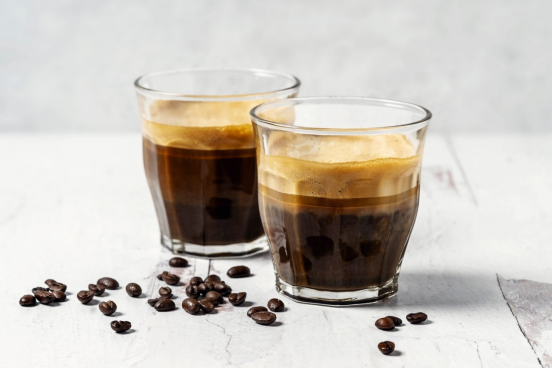
Crema, the golden layer of emulsified coffee oils and trapped carbon dioxide that crowns a perfect shot, behaves differently when chilled. In a hot drink, crema adds a velvety texture. However, when it hits ice, the sudden drop in temperature can cause these oils to congeal, sometimes leaving a bitter or ashy aftertaste. To mitigate this, expert baristas often stir the espresso rapidly as it hits the ice to integrate the oils, or they pull the shot into a slightly chilled vessel before pouring it over the ice.
Essential Equipment and Technical Setup
To transition from a beginner to an expert home barista, your equipment must be dialed in. Precision is the key to consistent extraction, especially when the final beverage will be diluted by melting ice.
The Master Barista Checklist
- Precision Burr Grinder: Essential for uniform particle size, ensuring even extraction and preventing sour or bitter notes.
- Quality Espresso Machine: Capable of maintaining a consistent 9 bars of pressure and a stable water temperature around 200°F (93°C).
- Digital Coffee Scale: Crucial for measuring your dose (dry grounds) and yield (liquid espresso) to the tenth of a gram.
- Filtered Water: The foundation of your beverage; water with a neutral pH and balanced minerals yields the best flavor.
- Large Format Ice Cubes: Larger cubes have a smaller surface-area-to-volume ratio, meaning they melt slower and reduce unwanted dilution.
Selecting the Right Beans and Roast Profile
Cold temperatures naturally dull the human tongue’s perception of sweetness while emphasizing acidity and bitterness. Therefore, the beans you choose for an iced espresso should be specifically selected to counteract this sensory shift.
Light roasts, while beautiful in hot pour-overs, can taste overwhelmingly sour or astringent when flash-chilled as espresso. Medium to medium-dark roasts are generally the optimal choice for iced espresso drinks. These roast profiles offer deeper caramelization, bringing forward notes of chocolate, nuts, and molasses that cut through the cold and pair exceptionally well with milk or dairy alternatives, should you choose to add them.
The Step-by-Step Brewing Protocol
Executing the perfect iced espresso requires a strict adherence to technique. Follow this protocol to ensure maximum flavor retention and minimal dilution.
Step 1: Dialing in the Perfect Shot
Start with a standard 1:2 brew ratio. For example, use 18 grams of finely ground coffee to yield 36 grams of liquid espresso. Aim for an extraction time between 25 and 30 seconds. Because the ice will inevitably add some water to the final drink, you may want to pull a slightly shorter, more concentrated shot—often called a ristretto—to ensure the coffee flavor remains punchy and dominant.
Step 2: The Flash-Chilling Technique
Fill a glass to the brim with large, solid ice cubes. Extract your espresso into a small, separate pouring pitcher rather than directly over the serving ice. This allows the espresso to cool slightly in the pitcher for a few seconds. Then, pour the espresso over the ice quickly and immediately stir vigorously. This rapid agitation drops the temperature of the liquid instantly, halting the oxidation process and locking in the flavor.
Expert Advice and Pro Tips
Elevating your iced coffee game requires looking beyond the basic steps and implementing the tricks used by specialty coffee shops.
The Coffee Ice Cube Hack
The most common pain point with iced espresso is the inevitable watery finish as the ice melts. To combat this, brew a batch of standard drip coffee or cold brew, let it cool, and freeze it in ice cube trays. By using coffee ice cubes instead of water ice cubes, your beverage will actually become stronger and more flavorful as the ice melts, rather than losing its structural integrity.
Sweetening Cold Coffee
Never add granulated sugar to a cold espresso drink; it will simply sink to the bottom and refuse to dissolve. Always use a simple syrup (a 1:1 ratio of dissolved sugar and water) or add your sweetener to the hot espresso shot immediately after extraction, stirring vigorously before it touches the ice.
Comparative Analysis of Cold Coffee Beverages
Understanding the landscape of cold coffee helps you appreciate the unique profile of iced espresso. Here is a breakdown of how it compares to other popular methods.
| Beverage Type | Brewing Method | Flavor Profile | Caffeine Content |
|---|---|---|---|
| Iced Espresso (Americano) | Hot extraction under pressure, flash-chilled over ice and water. | Bright, complex, aromatic, with a distinct acidity. | Moderate (per double shot). |
| Cold Brew | Coarse grounds steeped in cold water for 12-24 hours. | Smooth, heavy body, low acidity, chocolatey. | Very High (due to long steep time). |
| Iced Latte | Hot espresso poured over cold milk and ice. | Creamy, sweet, mellow coffee flavor. | Moderate (per double shot). |
Frequently Asked Questions (FAQ)
-
Why does my iced espresso taste watered down?
- Dilution occurs when hot espresso melts the ice too quickly. To prevent this, use larger ice cubes which melt slower, pull a more concentrated ristretto shot, or utilize coffee ice cubes to maintain the drink’s strength.
-
Can I pull the espresso shot directly over ice?
- While you can, it is often better to pull the shot into a separate vessel first. Pulling directly over ice can cause the ice to melt unevenly and rapidly, shocking the crema and potentially introducing bitter flavors. Pouring it over the ice after a brief rest allows for more controlled flash-chilling.
-
What is the difference between an iced coffee and an iced Americano?
- Traditional iced coffee is usually brewed using a standard drip method with hot water and then cooled, or brewed double-strength directly over ice. An iced Americano specifically uses highly concentrated espresso shots diluted with cold water and ice, resulting in a richer, more robust flavor profile.
-
How do I prevent the espresso from tasting sour when cold?
- Sourness is typically a sign of under-extraction. Ensure your coffee grounds are fine enough and your extraction time is adequate (25-30 seconds). Additionally, switching to a darker roast can help, as cold temperatures naturally emphasize the acidic, sour notes of lighter roasts.