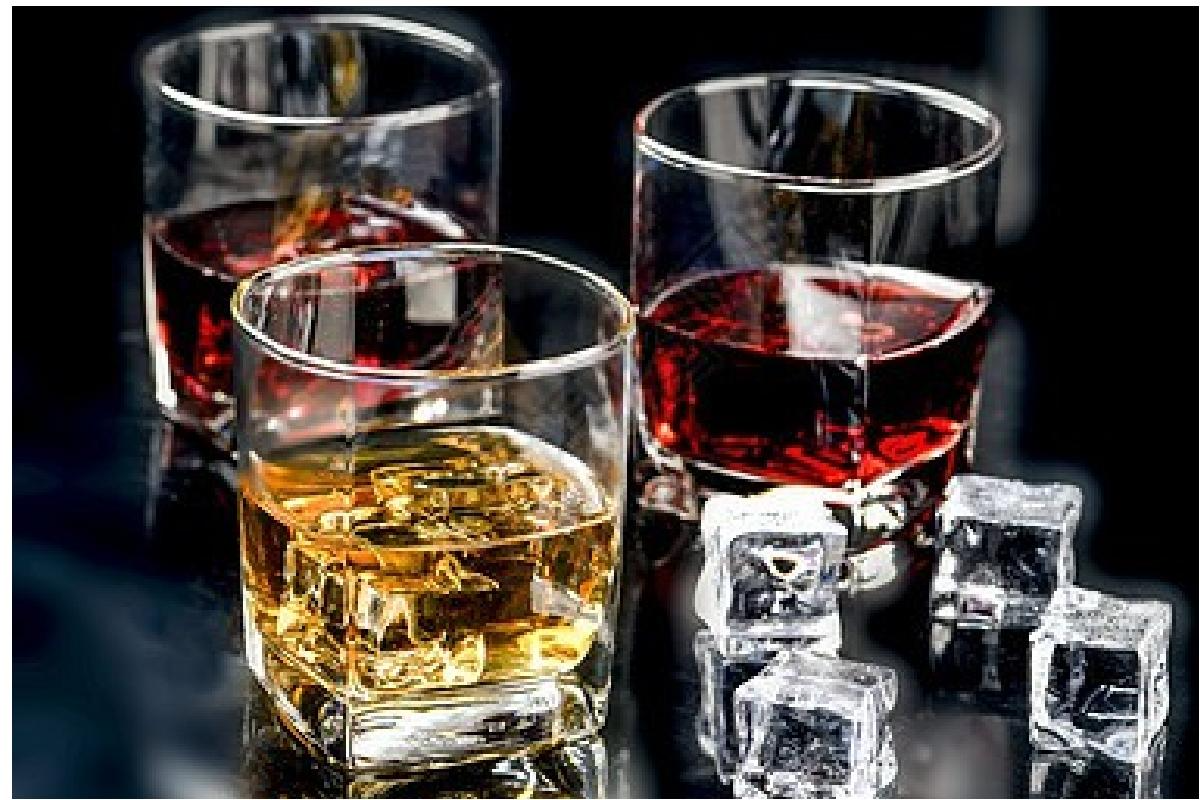
Alcoholic beverages have been an integral part of human civilization for millennia, serving as social lubricants, ceremonial staples, and even dietary essentials. At its core, the “alcohol” we consume is ethanol, a byproduct of yeast fermenting sugars. While the chemical foundation remains the same, the diversity of alcoholic types arises from the raw materials used and the complexity of the production process.
The Science and History of Alcoholic Beverages
The journey of alcohol begins with fermentation, a natural biological process where yeast converts sugars—found in fruits, grains, or honey—into ethanol and carbon dioxide. Historically, this was discovered accidentally when ancient civilizations noticed the intoxicating effects of fermented honey (mead) or fallen fruits.
The Chemical Foundation
Ethanol (C2H5OH) is the specific type of alcohol found in beverages. Its production is limited by the tolerance of yeast; once the alcohol concentration reaches a certain level (usually 14% to 18%), the yeast can no longer survive, which is why naturally fermented beverages like wine and beer have lower alcohol content compared to distilled spirits.

Fermented Beverages: The Foundation of Alcohol Culture
Fermented drinks are the oldest category of alcohol. They are produced directly from the fermentation of sugar-containing base ingredients without any further concentration through heat.
Wine and Fruit-Based Drinks
Wine is primarily produced from fermented grapes, though other fruits like berries, plums, and cherries can also be used. The terroir—the environment in which the fruit grows—heavily influences the final flavor profile.
Beer and Grain-Based Brews
Beer is brewed from cereal grains, most commonly malted barley, though wheat, maize, and rice are also used. The addition of hops provides bitterness and acts as a natural preservative, balancing the sweetness of the malt.

The Art of Distillation: Understanding Hard Liquors
Distillation is the process of separating alcohol from a fermented mixture using heat. Because alcohol has a lower boiling point than water, it evaporates first. These vapors are collected and condensed back into a liquid, resulting in a much higher alcohol concentration.
The Six Base Spirits
Most modern cocktails are built upon six primary distilled spirits: Vodka (neutral grain/potato), Gin (juniper-flavored), Rum (sugarcane/molasses), Tequila (blue agave), Whiskey (fermented grain mash), and Brandy (distilled wine).
The Impact of Aging
Many spirits, particularly whiskey and brandy, undergo an aging process in wooden barrels. This not only imparts color but also introduces complex flavors like vanilla, oak, and smoke through the interaction between the liquid and the wood over time.
Fortified and Specialty Spirits: Complexity in a Glass
Beyond the standard categories lie fortified wines and liqueurs, which bridge the gap between fermentation and distillation.
Fortified wines, such as Port, Sherry, and Vermouth, are wines to which a distilled spirit (usually brandy) has been added. This was originally done to preserve the wine for long sea voyages, but it resulted in unique, robust flavor profiles that remain popular today.
Liqueurs and Cordials
Liqueurs are distilled spirits that have been flavored with herbs, fruits, nuts, or spices and heavily sweetened. They are often used as digestifs or as essential components in mixology to add specific flavor notes and viscosity to drinks.
| Alcohol Type | Base Ingredient | Typical ABV Range |
|---|---|---|
| Beer | Malted Grains | 3% – 12% |
| Wine | Grapes/Fruit | 8% – 16% |
| Fortified Wine | Grapes + Spirit | 15% – 22% |
| Spirits (Liquor) | Grains/Plants | 35% – 50% |
| Liqueurs | Spirit + Sugar | 15% – 35% |
Mastering Alcohol Metrics: ABV, Proof, and Potency
Understanding the strength of what you are drinking is crucial for both appreciation and safety. The two most common metrics are ABV and Proof.
Alcohol by Volume (ABV)
ABV is the global standard for measuring the amount of ethanol in a container. It represents the percentage of the total volume that is pure alcohol. For example, a bottle with 40% ABV contains 40% ethanol and 60% other liquids (mostly water).
The Proof System
In the United States, “Proof” is defined as twice the ABV. Therefore, an 80-proof spirit is 40% ABV. Historically, proof was “proven” by soaking gunpowder in the spirit; if the gunpowder could still ignite, the spirit was considered “overproof.”
Pro Tips for Responsible Appreciation
- Hydration is Key: Alcohol is a diuretic. For every alcoholic drink, consume one glass of water to maintain hydration levels.
- Storage Matters: While spirits are shelf-stable, cream-based liqueurs and fortified wines like Vermouth should be refrigerated after opening to prevent oxidation.
- Glassware Impact: The shape of a glass can concentrate aromas. Use tapered glasses for wine and spirits to better experience the “nose” of the drink.
Frequently Asked Questions (FAQ)
- Does alcohol expire or go bad?
- Hard spirits like vodka or whiskey do not expire and can last indefinitely if sealed. However, once opened, they may slowly lose flavor due to oxidation. Wines and beers have much shorter shelf lives and can turn into vinegar or become skunked if not stored properly.
- What is the difference between liquor and liqueur?
- Liquor (or spirit) is a distilled alcoholic beverage that is generally not sweet (e.g., Vodka, Gin). Liqueur is a liquor that has had significant amounts of sugar and flavorings added to it (e.g., Kahlua, Amaretto).
- How many calories are in different types of alcohol?
- Generally, the higher the ABV and sugar content, the higher the calories. Pure spirits have about 65-100 calories per shot, while heavy beers and sweet cocktails can exceed 300-500 calories per serving.
- What defines a “Standard Drink”?
- In the US, a standard drink contains roughly 14 grams of pure alcohol. This typically equates to 12 ounces of regular beer (5% ABV), 5 ounces of wine (12% ABV), or 1.5 ounces of distilled spirits (40% ABV).
- Why does some alcohol cause worse hangovers?
- Congeners, which are chemical byproducts of fermentation and aging, contribute to hangovers. Darker spirits like bourbon and red wine typically have more congeners than clear spirits like vodka or gin.