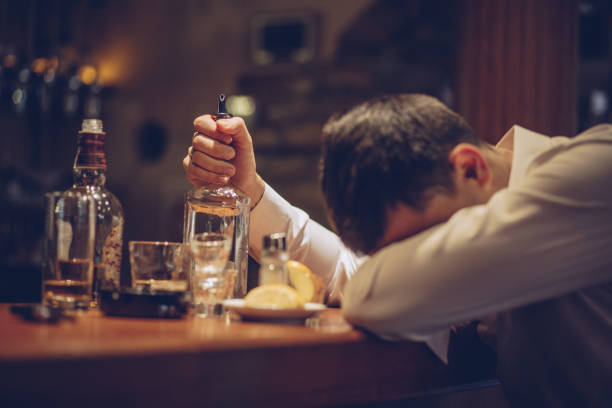
The Biological Link Between Alcohol and Immunity
Many people view a casual drink as a harmless way to unwind, but beneath the surface, alcohol initiates a cascade of biological disruptions.
The human immune system relies on a delicate balance of cells, proteins, and organs to defend against pathogens. When alcohol enters the bloodstream, it immediately begins to compromise this sophisticated defense network.
Impact on the Gut Microbiome
A significant portion of your immune system is housed in the gastrointestinal tract. Alcohol acts as a severe irritant to the gut lining, altering the delicate composition of your microbiome.
This disruption, known as dysbiosis, weakens the intestinal barrier. It allows toxins to leak into the bloodstream, triggering systemic inflammation and forcing your immune system to work overtime on internal threats rather than external pathogens.
Suppression of White Blood Cells
Alcohol directly impairs the function of macrophages and T-cells, the specialized white blood cells responsible for identifying and destroying harmful bacteria and viruses.
With these cellular defenders neutralized or slowed down, the body becomes significantly more susceptible to respiratory infections, common colds, and prolonged recovery times.

How Alcohol Disrupts Sleep Architecture
While a “nightcap” might help you fall asleep faster due to alcohol’s sedative properties, the actual quality of the sleep you receive is severely compromised.
Alcohol dramatically alters your natural sleep architecture, preventing the brain from transitioning smoothly through the essential stages of restorative rest.
The REM Sleep Rebound Effect
During the first half of the night, alcohol suppresses Rapid Eye Movement (REM) sleep, the critical stage required for cognitive restoration, emotional regulation, and memory consolidation.
As the body metabolizes the alcohol, a “rebound effect” occurs in the second half of the night. This leads to fragmented sleep, abnormally vivid dreams, and frequent awakenings as the brain tries to catch up on missed REM cycles.
Glutamine Rebound and Micro-Awakenings
Alcohol chemically inhibits glutamine, a natural natural stimulant in the body. Once the alcohol leaves your system, the body overproduces glutamine to compensate for the suppression.
This sudden surge prevents deep, slow-wave sleep and causes micro-awakenings throughout the night, leaving you feeling exhausted and unrefreshed the next morning.
The Synergistic Effect: When Poor Sleep Meets Weak Immunity
The true hidden threat of alcohol lies in how its effects on sleep and immunity compound one another, creating a dangerous cycle of health degradation.
High-quality sleep is the primary time when the body produces and releases cytokines, a type of protein that targets infection and inflammation.
When alcohol disrupts your sleep cycle, cytokine production plummets. Combined with the direct suppression of white blood cells caused by the alcohol itself, your body is left virtually defenseless against external illnesses.
| Sleep Metric | Healthy Sleep Cycle | Alcohol-Affected Sleep |
|---|---|---|
| Sleep Onset | Natural, gradual transition | Rapid, sedative-induced crash |
| REM Sleep | Normal duration, evenly spaced | Suppressed early, chaotic rebound later |
| Deep Sleep (Slow Wave) | Restorative, uninterrupted | Fragmented by micro-awakenings |
| Immune Support | High cytokine production | Severely reduced cytokine release |
Pro Tips for Restoring Your Body’s Defenses
If you choose to consume alcohol, implementing strategic harm-reduction techniques can help mitigate the severe damage to your sleep architecture and immune function.
- Implement a Strict Cut-Off Time: Stop drinking at least three to four hours before bedtime to allow your liver adequate time to metabolize the alcohol before you sleep.
- Hydrate Aggressively: Alternate every alcoholic beverage with a full glass of water. This reduces systemic inflammation, aids liver function, and prevents dehydration-induced sleep disruptions.
- Support Your Gut Health: Consume probiotic-rich foods like yogurt, kefir, or kombucha the day after drinking to help restore the balance of your gastrointestinal microbiome.
- Optimize Your Sleep Environment: Keep your bedroom exceptionally dark, cool, and quiet to counteract the fragmented sleep and temperature fluctuations caused by alcohol withdrawal.
Frequently Asked Questions (FAQ)
- Does one glass of wine affect my immune system?
- While a single glass has a minor impact compared to heavy drinking, it can still cause mild disruptions to your gut microbiome and slightly alter your sleep architecture, depending on your individual metabolism and timing of consumption.
- Why do I consistently wake up at 3 AM after a night of drinking?
- This is a textbook result of the glutamine rebound effect. As your body finishes metabolizing the alcohol, it produces excess glutamine, acting as a powerful internal stimulant that pulls your brain completely out of deep sleep.
- Can I build a tolerance to alcohol’s sleep disruptions over time?
- No. While you may feel less physically intoxicated over time, the underlying physiological disruption to your REM cycles and cytokine production remains consistent regardless of your perceived behavioral tolerance.
- How long does it actually take for my immune system to recover after heavy drinking?
- It can take anywhere from 24 hours to several days for your immune system to fully recalibrate and restore normal white blood cell function, heavily depending on the volume consumed, your age, and your baseline health.